Summary
On February 21, 2024, former Venezuelan National Guard Lieutenant Ronald Ojeda Moreno was forcibly abducted from his residence in the Independencia commune of Santiago, Chile. His body was discovered on February 23, 2024, concealed in cement within a suitcase in the Santiago Metropolitan Region. Ojeda, who had sought political asylum in Chile after participating in a 2017 military uprising against the Venezuelan government, was a vocal critic of the Maduro regime and maintained connections with Venezuelan opposition networks.
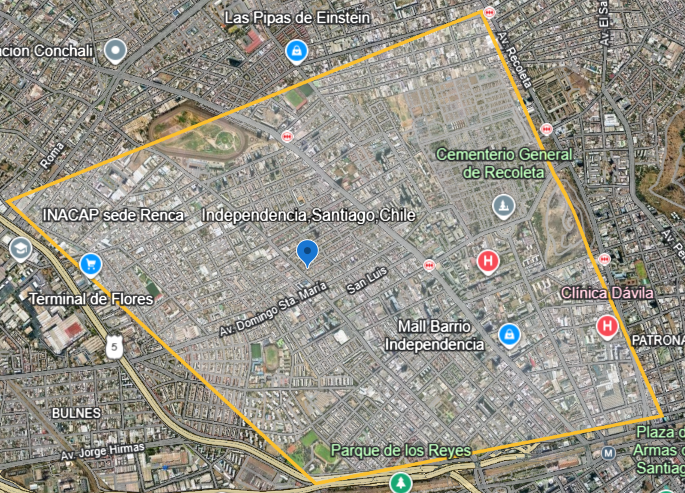
The geolocation of this incident centers on Santiago, Chile, specifically within the Independencia commune, a middle-class residential area in the northern sector of the Chilean capital. The discovery location of the victim’s remains was in a different area of the metropolitan region, indicating deliberate efforts to conceal the crime. The operation demonstrates characteristics consistent with state-sponsored transnational repression, involving multiple perpetrators, surveillance capabilities, and logistical coordination that suggests involvement beyond common criminal elements.
This case has generated significant international concern regarding the extraterritorial reach of authoritarian regimes, the security of political refugees in Latin America, and the capacity of host nations to protect asylum seekers from foreign state actors. The incident has strained diplomatic relations between Chile and Venezuela while raising broader questions about the operational presence of Venezuelan intelligence services throughout South America.
Chronology of the Case
Background and Context (2014–2023)
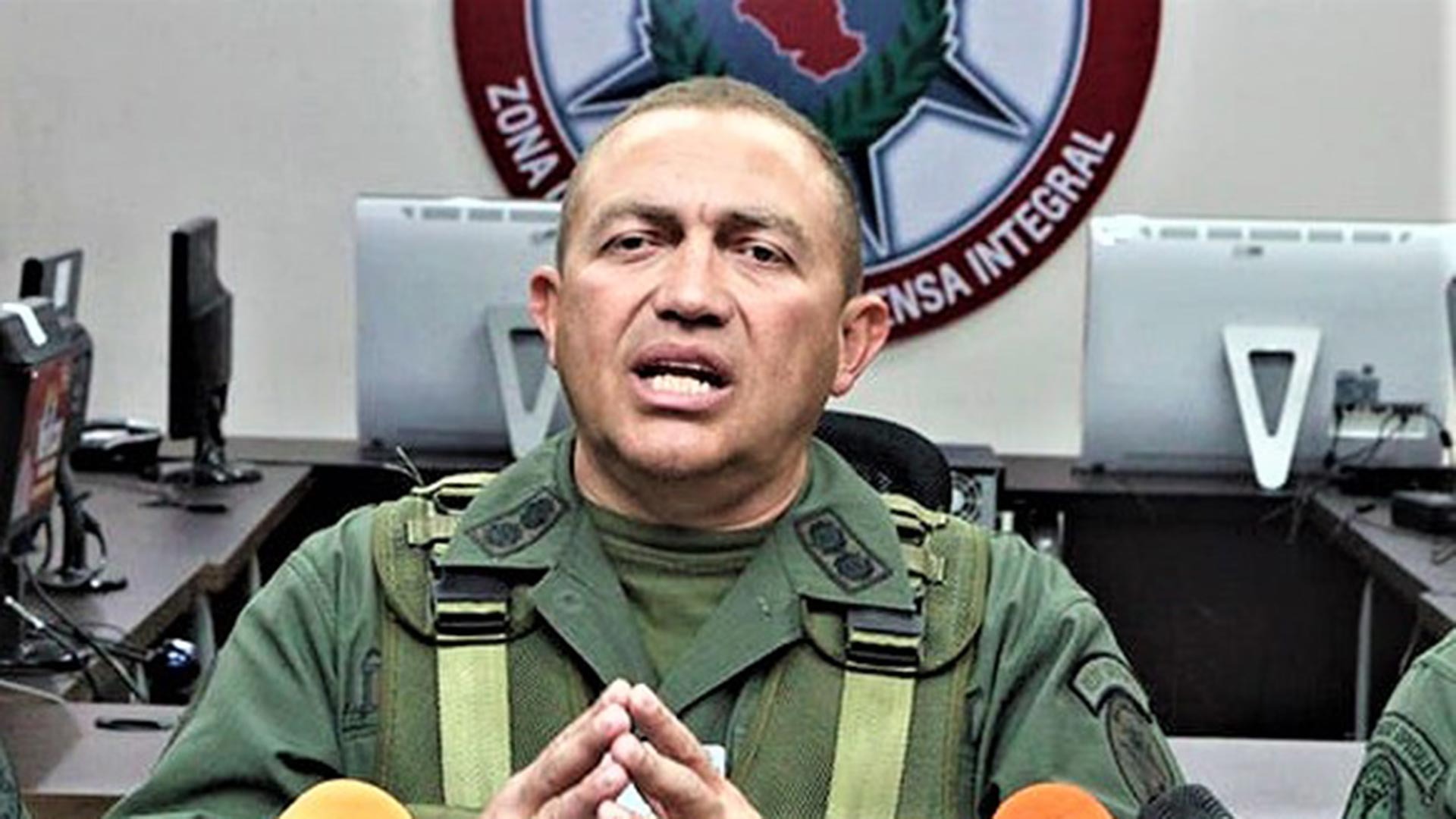
Ronald Ojeda Moreno served as a lieutenant in the Venezuelan army during a period of increasing political polarization and authoritarian consolidation under Nicolás Maduro. Ojeda graduated from the “Coronel Diego Jalón Dochagavia” promotion — a class that became a primary target of Maduro’s military counterintelligence due to its large number of dissidents. He specialized as a special operations commander in military aviation.
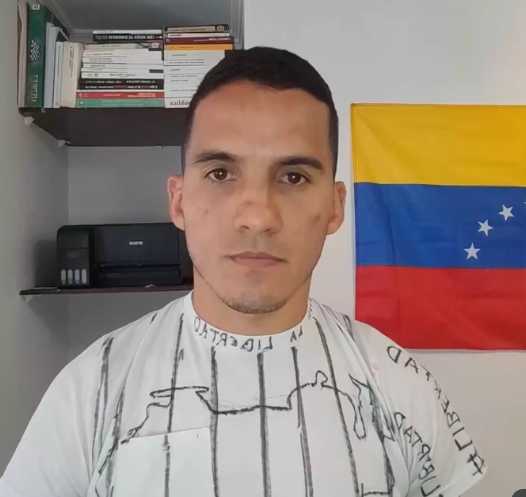
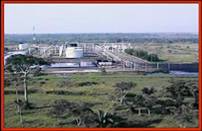
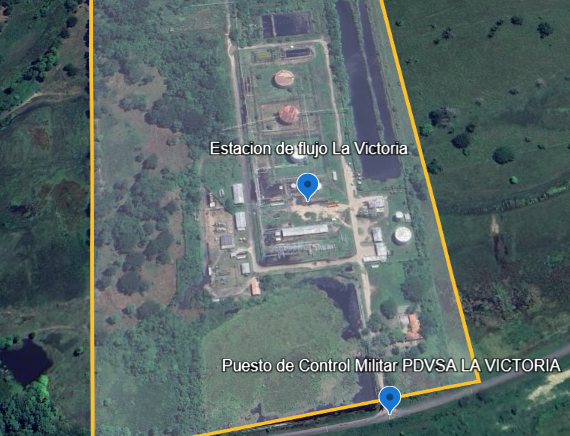
By 2014, Venezuela experienced major anti-government protests and elements within the military began expressing dissent. In 2017, Ojeda was assigned to establish a checkpoint on a main road in Apure state, directly opposite PDVSA oil pumping facilities — a borderline where the FARC, ELN, and the Cartel de los Soles operated in drug trafficking. While observing these irregularities, he began secretly gathering intelligence.
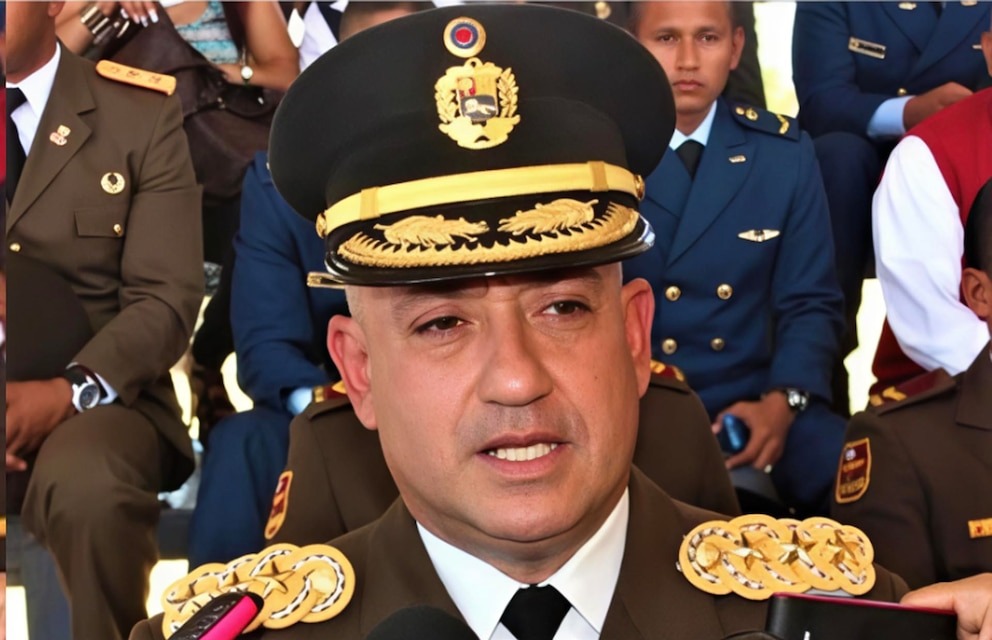
In 2017, Ovidio Jesús Ramírez, general of the 92nd Brigade, summoned Ojeda to facilities where he was subsequently kidnapped by men in black alongside brigade commander Marco Tulio Álvarez Reyes. During this process, Ojeda was detained without just cause or a court order, tortured in clandestine centers, and held at the “Lubianka” — headquarters of the DGCIM.
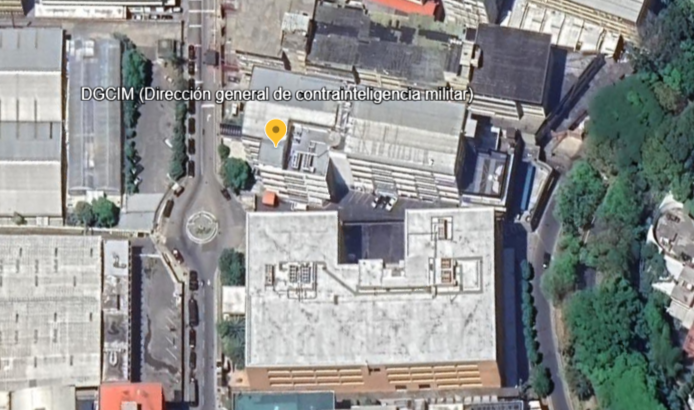
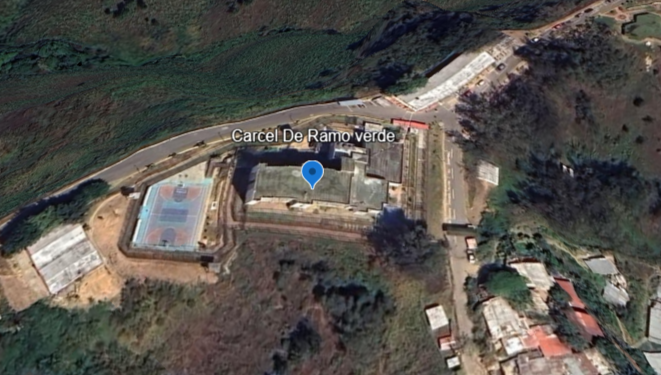
After a period of torture at the Lubyanka, Ojeda was transferred to Ramo Verde Military Prison. After approximately eight months of torture and isolation, he escaped during a court transfer and fled to Colombia, then to Chile, where he received political asylum.
Between 2017 and 2024, Ojeda maintained a relatively low profile in Chile while remaining connected to Venezuelan opposition networks. He resided in the Independencia commune of Santiago, where Chilean authorities had granted him refugee status under international law.
Pre-Operational Phase (January–February 2024)
Intelligence analysis suggests the operation against Ojeda involved extensive pre-operational surveillance and planning. The operational planning required coordination among multiple actors: intelligence personnel for target identification and tracking, logistical support elements for transportation and safe houses, and action team members to execute the abduction. The level of coordination suggests a well-resourced operation with access to specialized skills and equipment.
The Abduction (February 21, 2024)
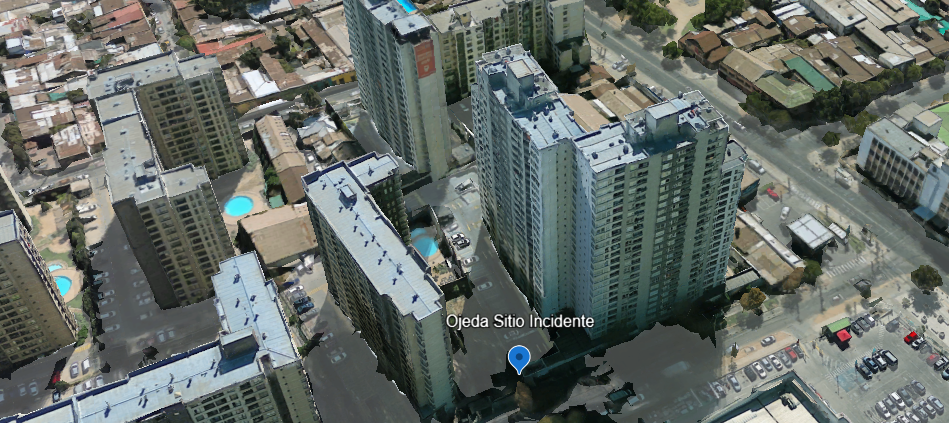
On the evening of February 21, 2024, at approximately 19:30 local time, an assault team forcibly entered Ojeda’s residence in the Independencia commune. The operation occurred at Avenida Independencia near Calle Maruri, in a residential building where Ojeda occupied an apartment unit. The perpetrators demonstrated knowledge of the building’s layout and security measures, suggesting prior reconnaissance.
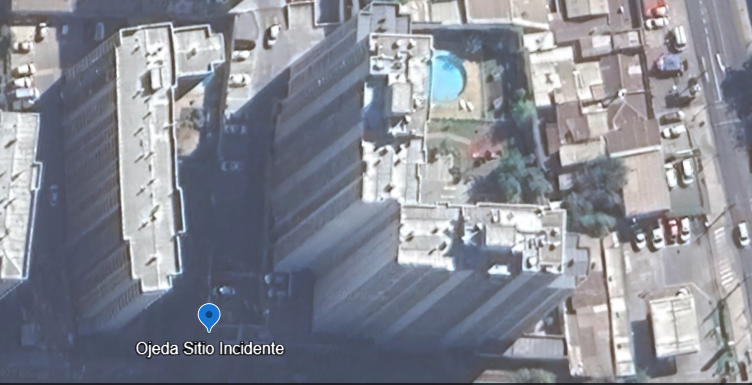
Witnesses reported seeing multiple individuals, later described as wearing police or military-style uniforms, entering the building. CCTV footage from the building captured how the kidnappers wore Chilean investigative police uniforms.
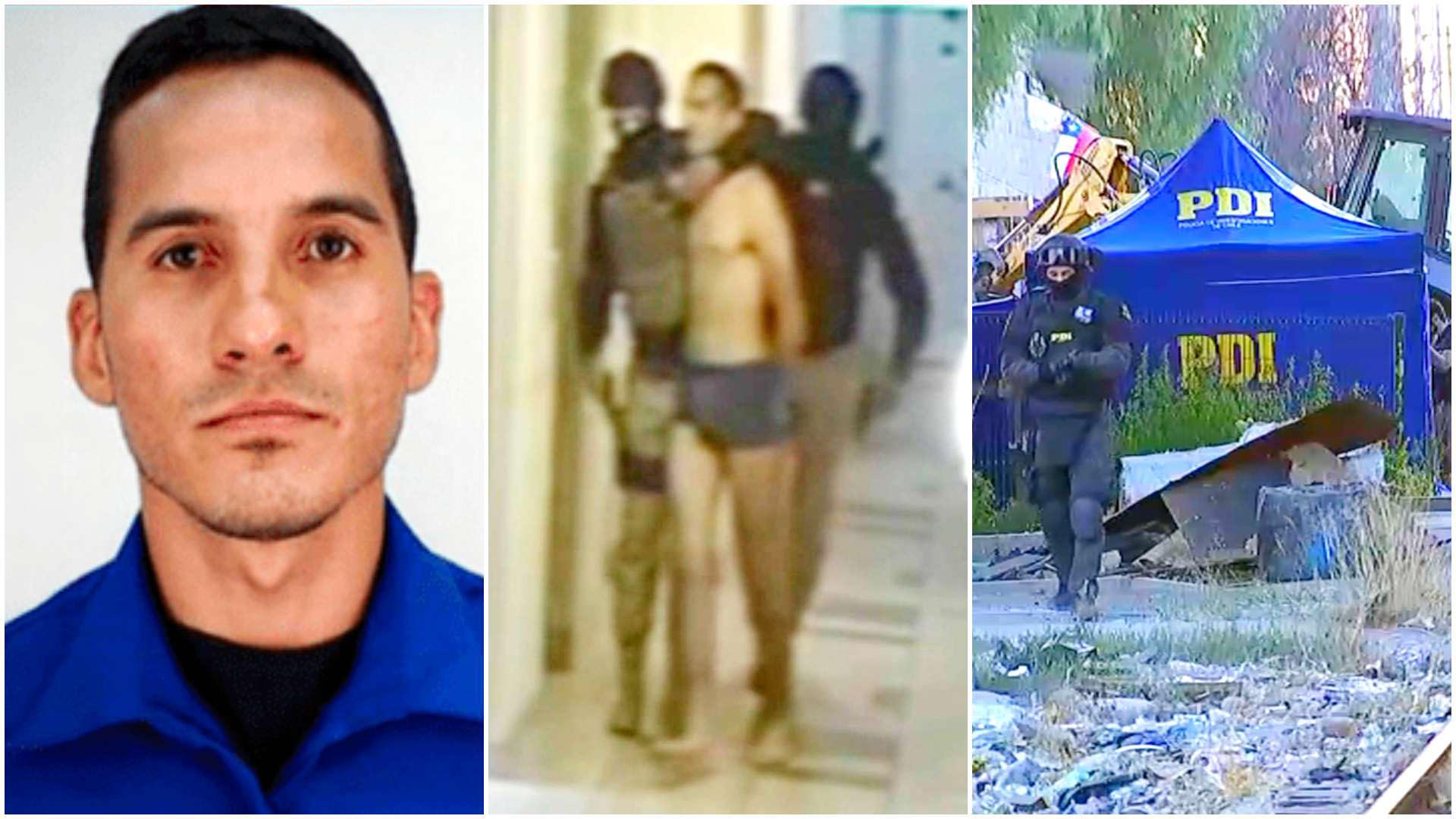
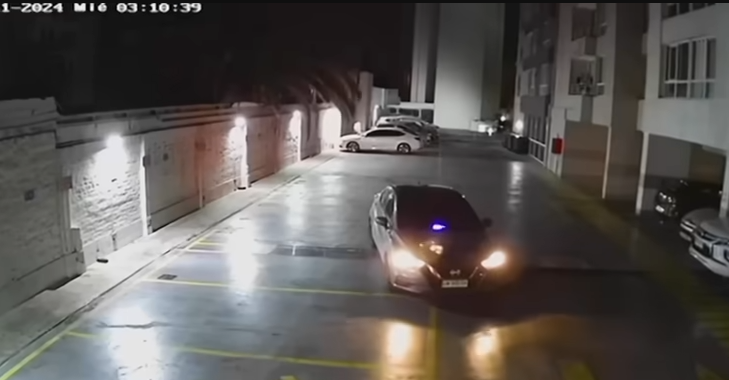
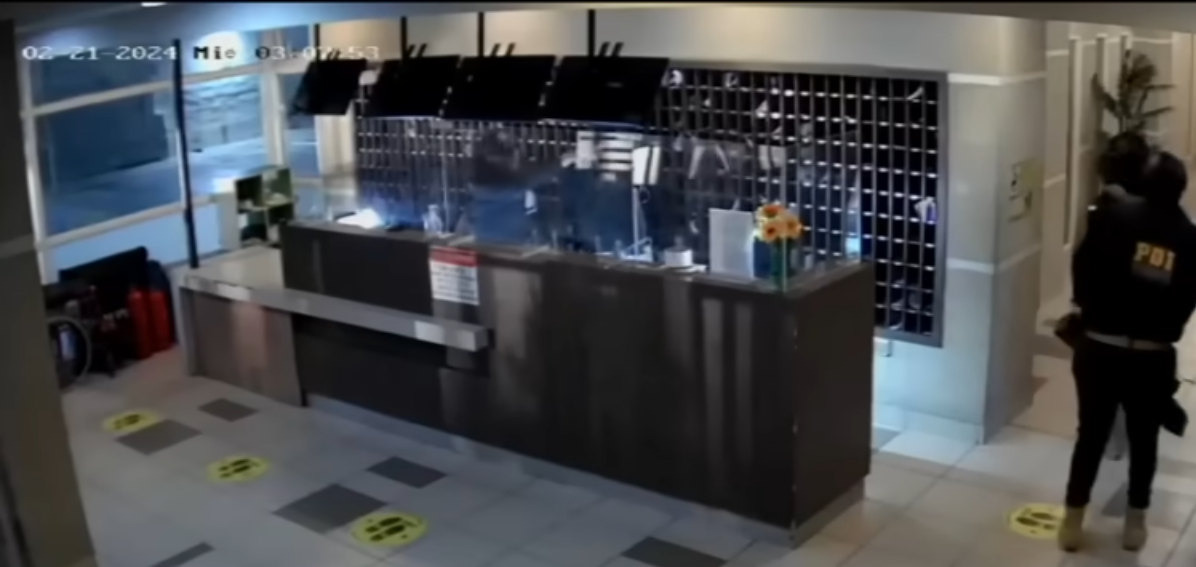
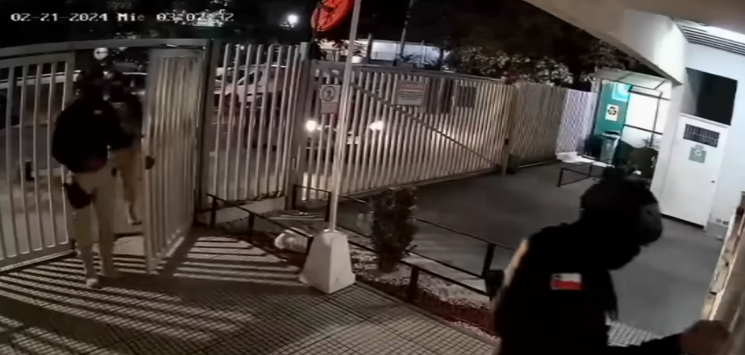
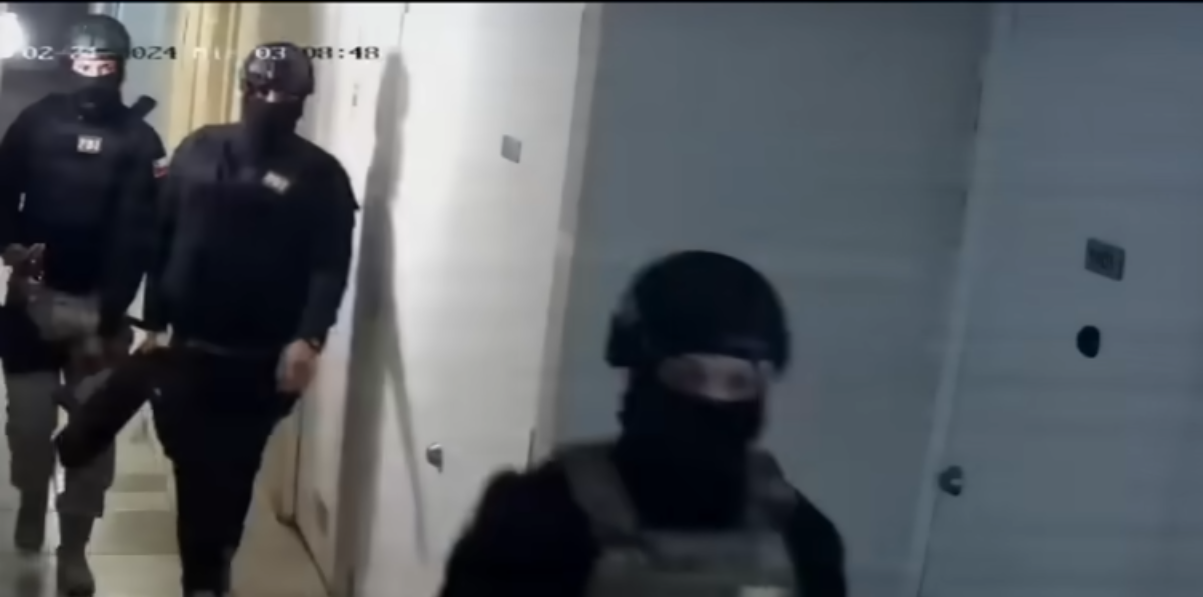
Chilean authorities were not immediately alerted to the abduction. The delay in reporting allowed the perpetrators to consolidate control of the victim and move to a secondary location without immediate police response. This temporal advantage proved critical to the operation’s success.
Post-Abduction Operations (February 21–23, 2024)
Following the abduction, Ojeda was transported to a location where he was interrogated, killed, and his body concealed. Forensic evidence indicates the victim suffered trauma consistent with interrogation and execution. The decision to kill rather than forcibly return the victim to Venezuela suggests either that elimination was the objective from the outset, or that information obtained during interrogation led to that decision.
Discovery and Investigation Launch (February 23, 2024)
On February 23, 2024, Chilean police discovered Ojeda’s body concealed in cement within a suitcase in the Santiago Metropolitan Region. The discovery occurred approximately 48 hours after the abduction, following an intensive search operation after family members reported Ojeda missing on February 22.
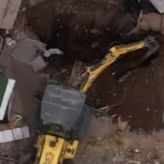
Body Discovery Location
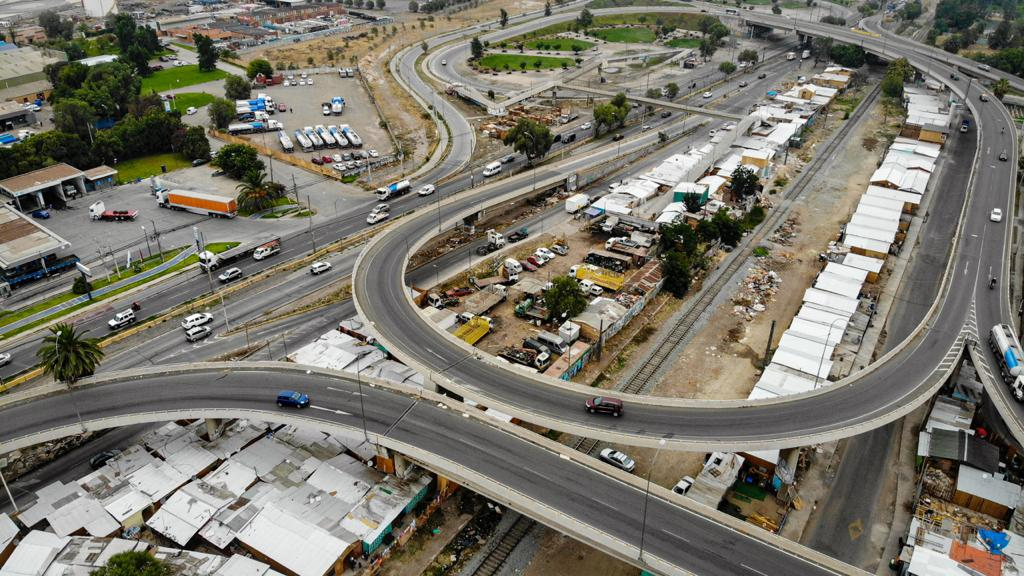
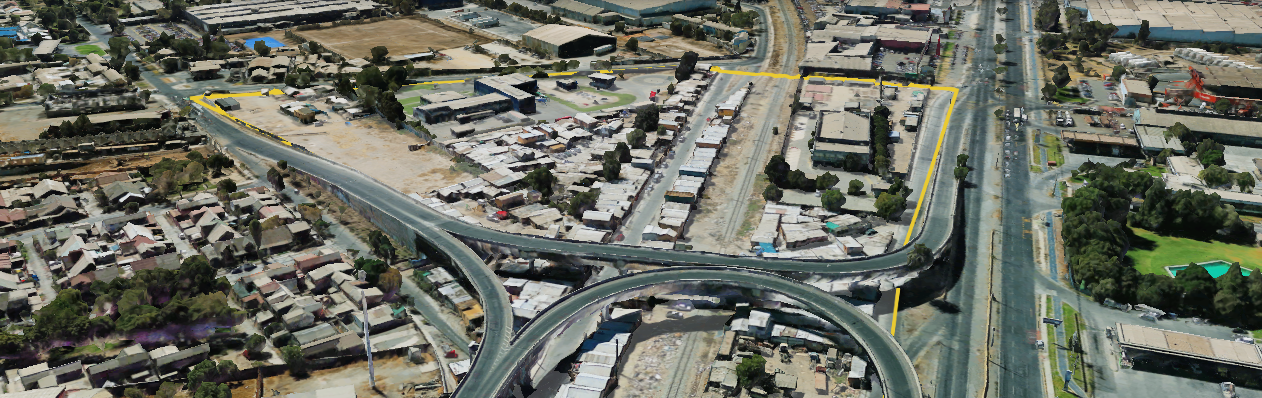
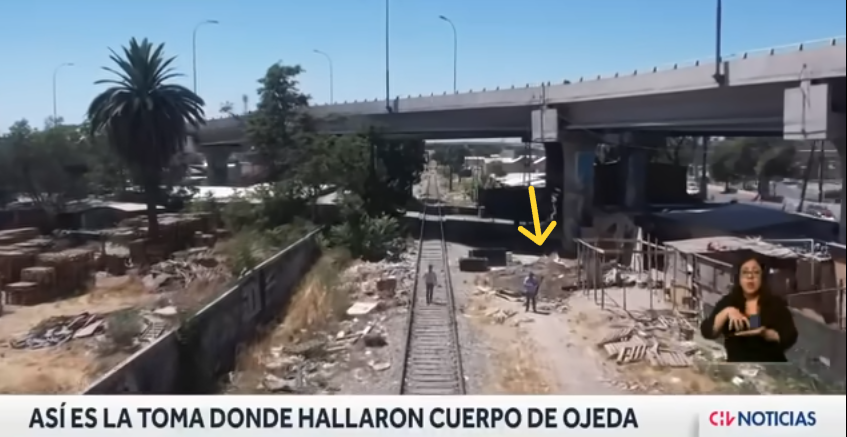
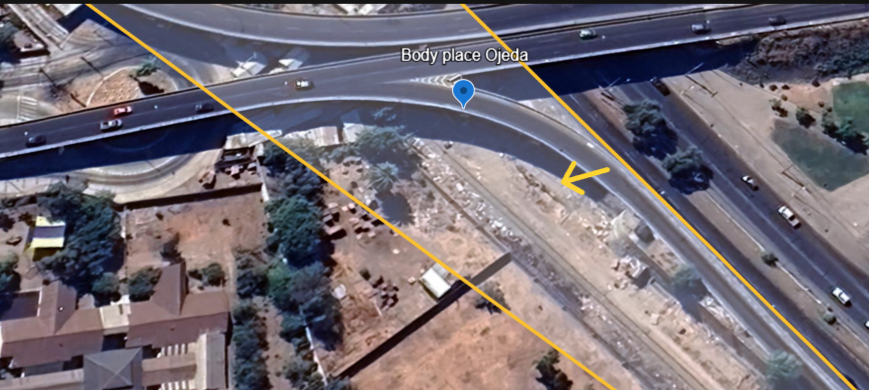
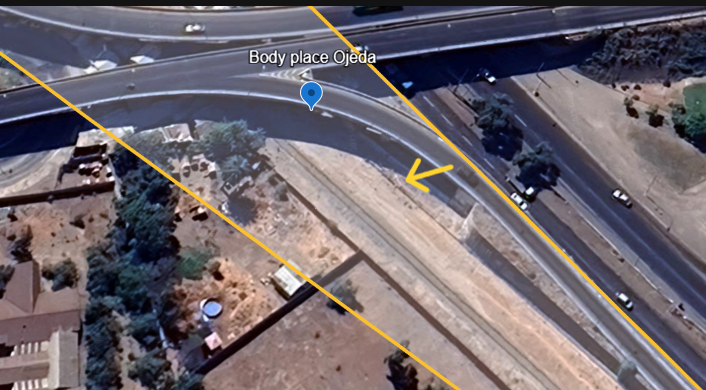
The victim’s body was concealed in cement within a suitcase at a location in the Santiago Metropolitan Region distinct from the abduction site. Chilean authorities did not publicly disclose the exact coordinates to protect investigative integrity. However, using open-source tools and drone footage from media coverage of the excavation, the exact location has been identified:
Investigation Development (March–June 2024)
By April 2024, Chilean prosecutors had charged multiple individuals in connection with the case. Charges ranged from direct participation in the kidnapping and murder to facilitation and conspiracy. The arrested individuals included Chilean citizens, Venezuelan nationals residing in Chile, and at least one Colombian national, illustrating the transnational nature of the operation.
International Dimensions (March–October 2024)
The Ojeda case generated significant international attention and diplomatic complications throughout 2024. The Organization of American States received petitions to investigate the matter as a potential violation of the Inter-American Democratic Charter. Human Rights Watch, Amnesty International, and Venezuelan diaspora groups demanded thorough investigation and accountability.
Perpetrator Analysis
Arrested suspects included Chilean nationals who allegedly provided logistical support, local knowledge, and facilitation services. However, most of those arrested are linked to the transnational gang El Tren de Aragua, designated a transnational terrorist organization by the U.S. Department of State in 2025.
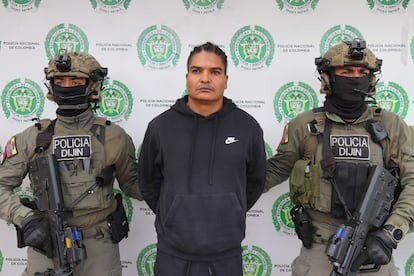
Arrested Individuals
| Name / Alias | Reason for Arrest | Country |
|---|---|---|
| Minor A.C. (17 years old) | Kidnapping and homicide (sentenced) | Chile |
| Maikel Villegas Rodríguez | Kidnapping and homicide of Ojeda | Costa Rica (extradited) |
| Alfredo José Henríquez Pineda ("Gordo Alex") | Kidnapping and homicide of Ojeda | Chile |
| Rafael Gómez Salas ("El Turco") | Criminal association, provided vehicle | United States |
| Edgar Benítez Rubio ("El Fresa") | Criminal association, provided vehicle | United States (extradited) |
| Luis Alfredo Carrillo Ortiz ("El Gocho") | Kidnapping, homicide, body concealment | Colombia (extradition approved) |
| Dayonis Junior Orozco Castillo ("El Botija") | Kidnapping, homicide of Ojeda + homicide of Carabinero Sánchez | Colombia (extradition approved) |
| Larry Álvarez Núñez ("Larry Changa") | Criminal association, drug trafficking, gang leader | Colombia (extradition approved) |
| Carlos Francisco Gómez Moreno ("Bobby") | Tren de Aragua leader in South America, ordered kidnapping and homicide | Colombia (extradition approved) |
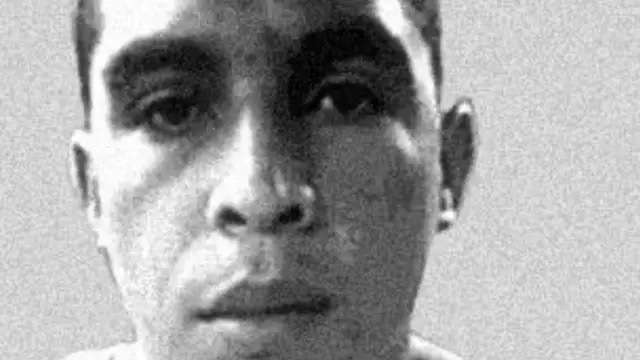
| Walter de Jesús Rodríguez Pérez | Kidnapping and homicide of Ojeda | Fugitive (Venezuela) |
| Other 2 detainees | Kidnapping and homicide of Ojeda | Chile |
The Political Ties and Involvement of the Venezuelan State
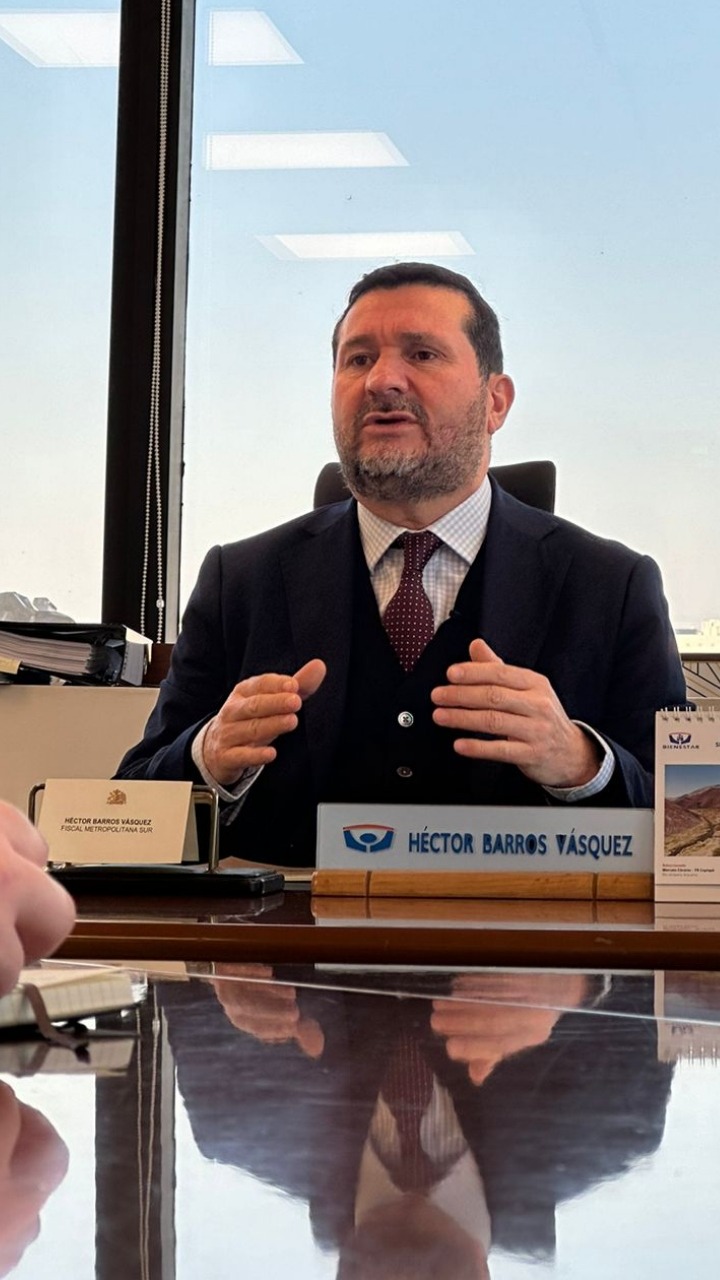
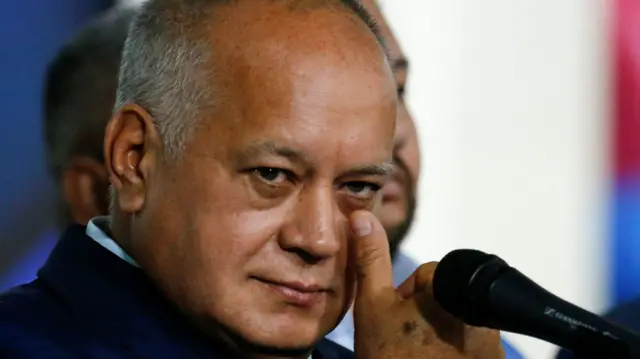
Regional prosecutor Héctor Berrio stated that there is clear evidence linking Diosdado Cabello — second in command in Nicolás Maduro’s regime — to the Ojeda case.
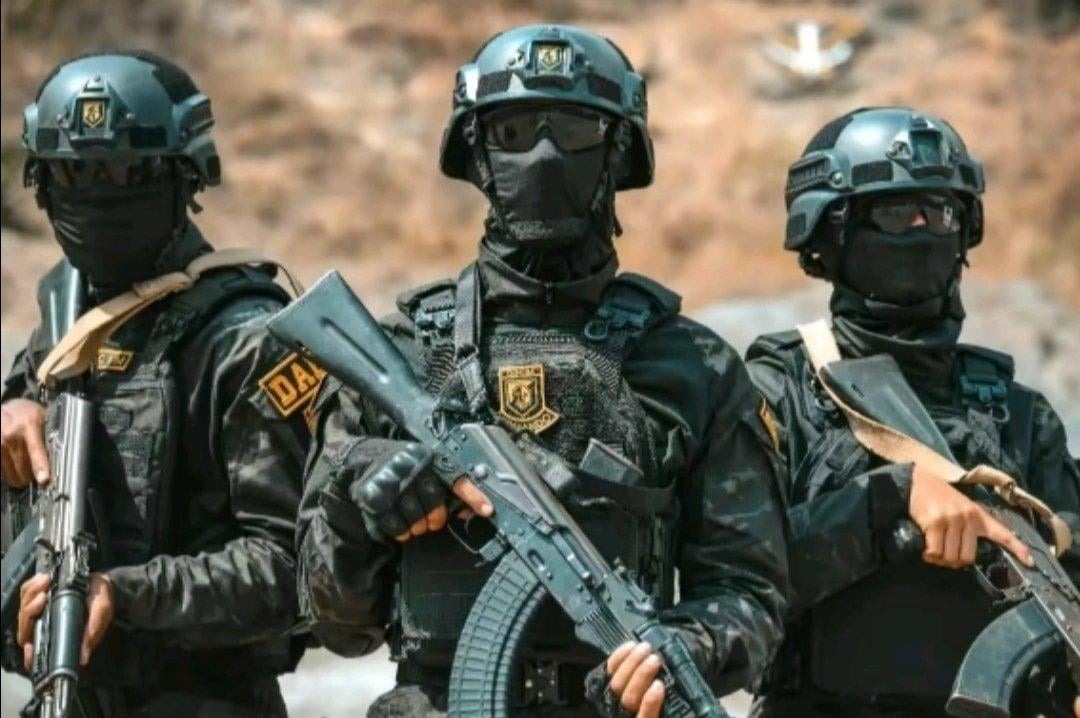
Suspicions grew when the Prosecutor’s Office presented the testimony of protected witness No. 7 before the Santiago Guarantee Court. The witness states that it was Diosdado Cabello, Venezuela’s Minister of the Interior, Justice and Peace, who ordered the kidnapping in Chile — giving a direct order to Niño Guerrero, the absolute leader of the Aragua Train, with prior assistance in the planning from the leader of the DAE, Granko Arteaga.

Venezuelan Government Response
The Venezuelan government categorically denied any involvement — a consistent pattern in previous cases where Venezuelan dissidents abroad were attacked or killed. The government strategy appears to focus on categorical denial regardless of evidence, leveraging the difficulty of definitively proving state sponsorship in cases where operational security prevents clear documentation of command-and-control relationships.
Venezuela’s response to Chilean expulsions of diplomatic personnel included reciprocal measures against Chilean diplomats, further deteriorating the bilateral relationship. This case turning a public grave into a political message that serves as a warning to anyone who wants to oppose the Venezuelan regime.
Conclusion
The assassination of Ronald Ojeda Moreno represents one of the most brazen cases of Venezuelan state-sponsored transnational repression documented in the 21st century. The operation — orchestrated from Caracas, executed through a designated terrorist organization, and carried out on Chilean soil against a recognized refugee — demonstrates that the Maduro regime views no border as an obstacle to silencing dissent.
The OSINT reconstruction of the case, from the geolocation of the abduction site to the identification of the body’s concealment location through aerial footage analysis, underscores the power of open-source investigation in achieving accountability where official channels fail. The evidence chain connecting Diosdado Cabello, the DAE’s Granko Arteaga, and the Tren de Aragua operatives illustrates the hybrid infrastructure of state-criminal repression that characterizes authoritarian governance in Venezuela.
Investigator’s Note
This report is based entirely on open-source intelligence (OSINT). No classified information was accessed. No confidential sources were used. Everything documented here is publicly available — if you know where to look.
The body discovery location — not officially disclosed by Chilean authorities — was identified through open-source analysis of drone footage and media coverage of the excavation site. Coordinates: 33°31’38”S 70°45’26”W (verified via Google Earth imagery from March 30, 2024).
The evidence chain connecting the DAE, Diosdado Cabello, and the Tren de Aragua emerges entirely from court proceedings, prosecutor statements, and open judicial documents — not from classified intelligence.