Summary
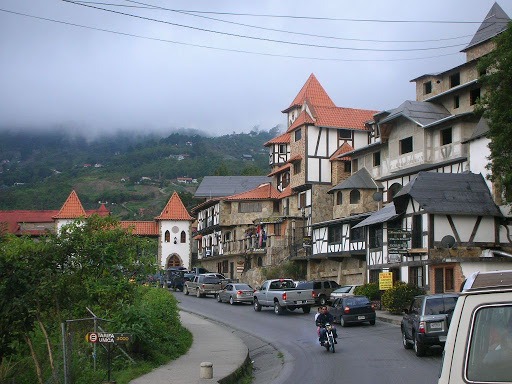
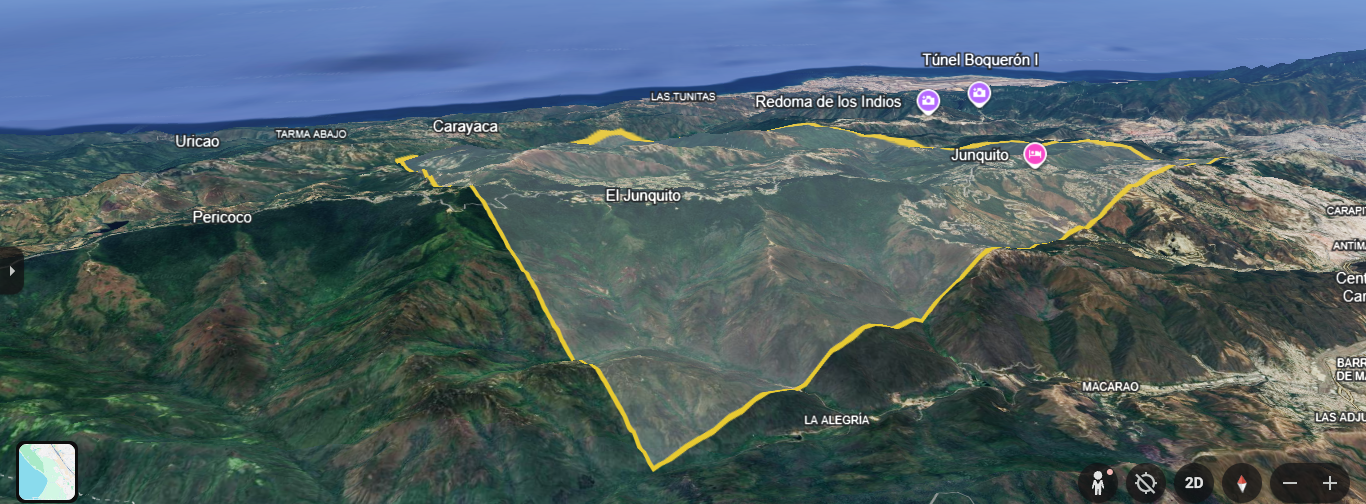
During the early morning hours of January 15, 2018, Venezuelan security forces orchestrated a massive operation against a rebel group led by Óscar Pérez, a former police pilot who had gained notoriety for his opposition to Nicolás Maduro. The operation, which authorities labeled “Operation Gideon,” unfolded in El Junquito, a residential community approximately twenty-five kilometers northwest of Caracas, and resulted in what human rights organizations now recognize as a systematic massacre.
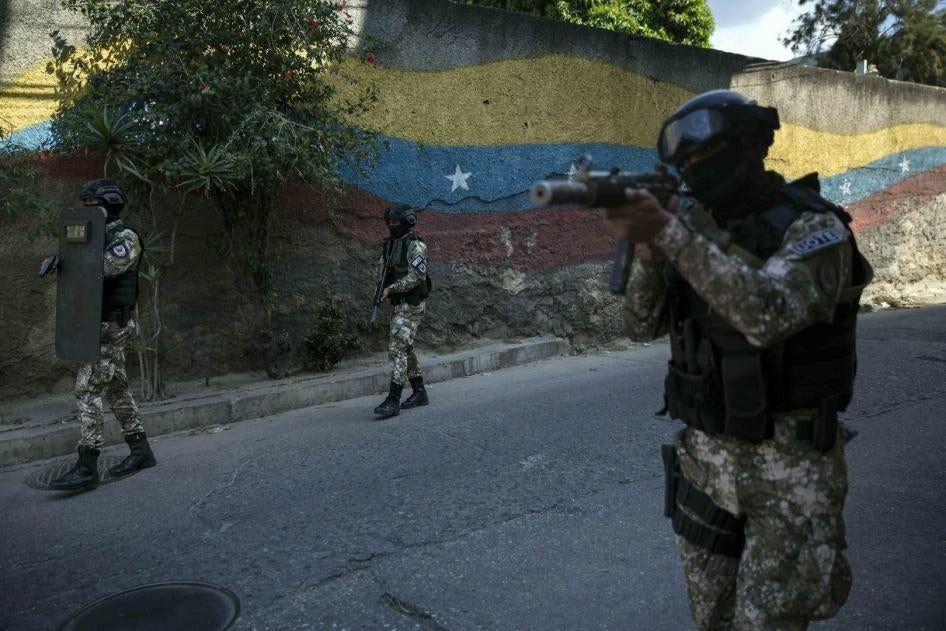
The siege began when approximately 500 agents from multiple security agencies — including SEBIN intelligence service, military counterintelligence (DGCIM), National Guard, and the notorious Special Action Forces (FAES) — surrounded the house where Pérez and six associates were hiding. These forces were supported by pro-government paramilitary groups known as colectivos, armed civilian militias that regularly assist Venezuelan authorities in operations against political opponents.
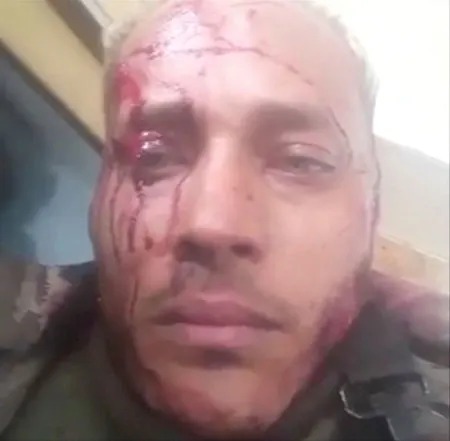
What makes this case particularly disturbing is the extensive documentation of surrender attempts by the victims. Throughout the nine-hour siege, Pérez repeatedly broadcast live videos on Instagram showing his bloodied face while pleading with authorities to accept their surrender. In these recordings, gunfire can be heard in the background as Pérez states: “We said we would surrender, but they refuse to allow it. They want to kill us.” Multiple videos captured negotiations between the group and security commanders, with Pérez emphasizing that innocent civilians were present and expressing their willingness to turn themselves in peacefully.
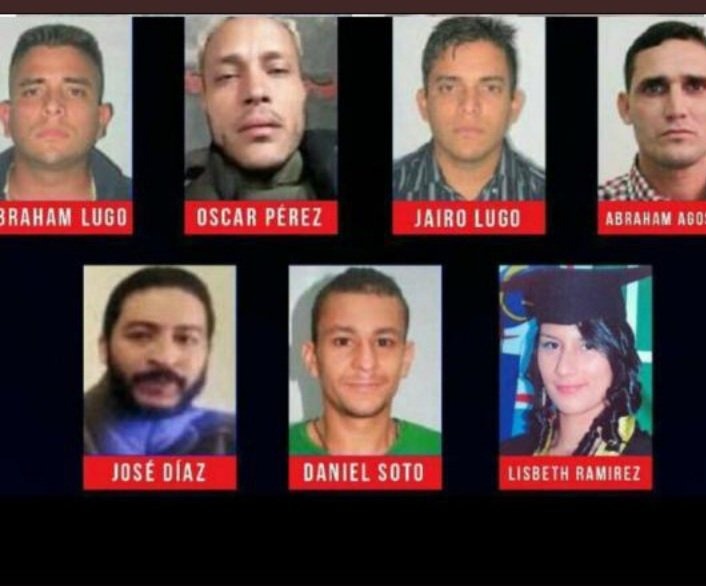
Despite these documented surrender attempts, Venezuelan authorities escalated their assault, deploying heavy military equipment including rocket launchers and armored vehicles against the residential building. The operation resulted in the deaths of all seven people inside the house: Óscar Pérez, Daniel Enrique Soto Torres, Abraham Lugo Ramos, Jairo Lugo Ramos, José Alejandro Díaz Pimentel, Abraham Israel Agostini, and Lisbeth Andreína Ramírez Montilla. Additionally, two security officers and Heiker Vásquez, a leader of the “Tres Raíces” colectivo, were killed during the confrontation.
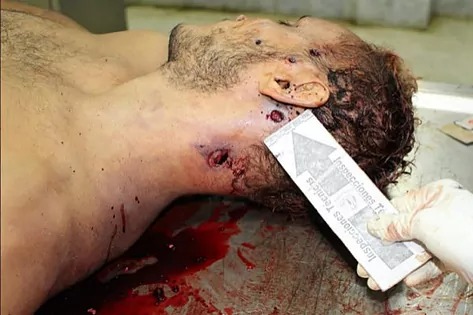
Forensic evidence strongly suggests these were execution-style killings rather than deaths resulting from combat. Death certificates revealed that Pérez and at least three others died from single gunshot wounds to the head, causing skull fractures consistent with close-range executions. Family members described seeing entry and exit wounds in victims’ heads. Independent analysis by Forensic Architecture and Bellingcat concluded the deaths occurred between 11:15 AM and 12:00 PM, after hours of siege during which the victims had consistently expressed willingness to surrender.
This case exemplifies a broader pattern of state-sponsored violence that has characterized Venezuela under Maduro’s rule. Since 2016, Venezuelan security forces have killed nearly 18,000 people in alleged incidents of “resistance to authority,” with UN investigators concluding that many of these killings constitute extrajudicial executions.
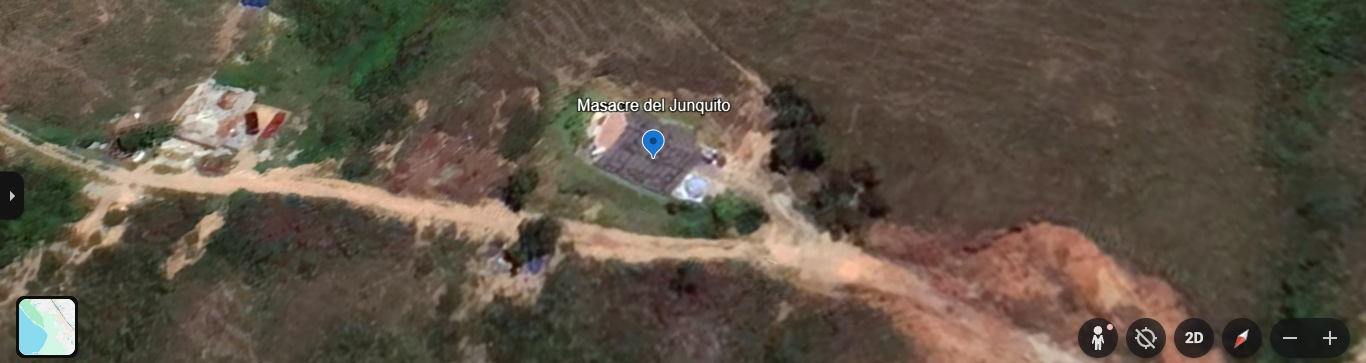
Case Location and Image Evidence
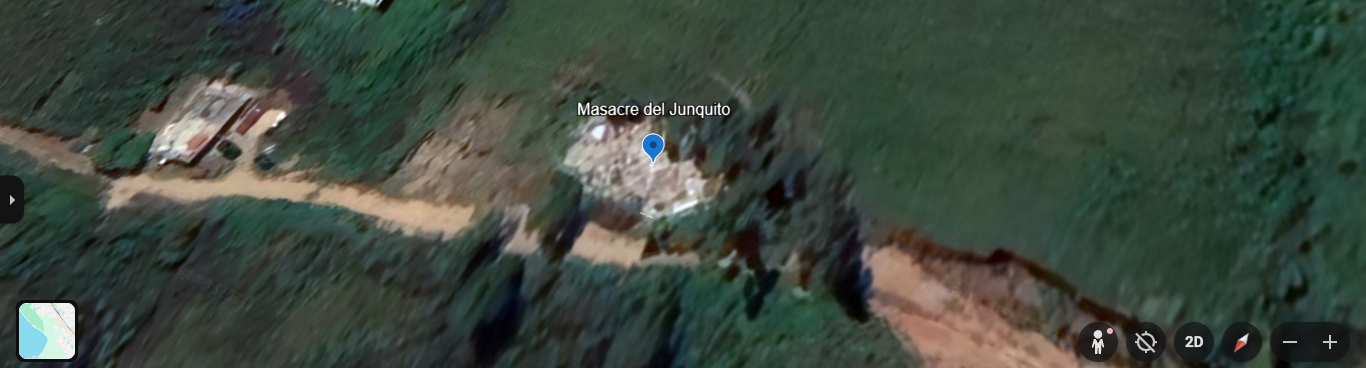
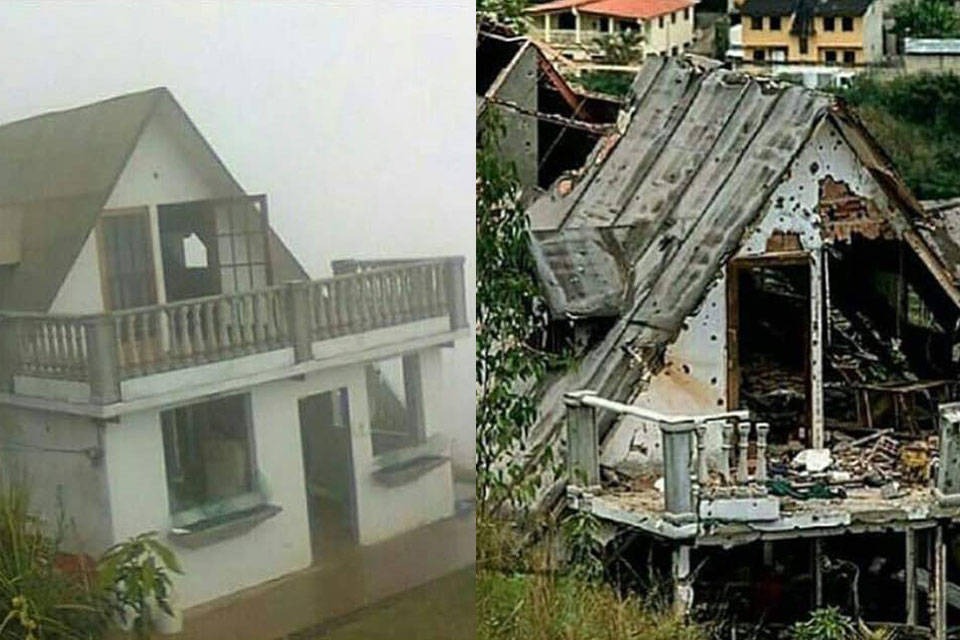
Chronology of the Case
Target Fixation via Feeder Arrest
In the late hours before the raid, agents moved on the network around the safehouse and arrested Dr. Williams Alberto Aguado Sequera, the alleged owner of the chalet where the group was cornered — an arrest that state media and proxies immediately linked to the location of Pérez’s hideout and used to justify subsequent demolitions and seizures.
Build-up and Cordon
Before dawn on January 15, 2018, a composite force closed on the Araguaney house in El Junquito. The order of battle reflected a joint action of FAES/PNB, SEBIN, DGCIM, GNB/CONAS, Policaracas, and irregular auxiliaries — a structure that reads as a fused police–military–paramilitary stack rather than a pure warrant service. OSINT time-syncs of videos, photos, and radio traffic confirm early negotiation windows and repeated acknowledgment of surrender conditions.
Transition Failure
Radio intercepts and open-source video establish a declared surrender posture from inside the safehouse and a moment where a FAES on-scene commander’s callsign was used to coordinate acceptance — yet fire did not reliably cease, and escalation continued. The full audio is available for further examination.
Terminal Window and Site Handling
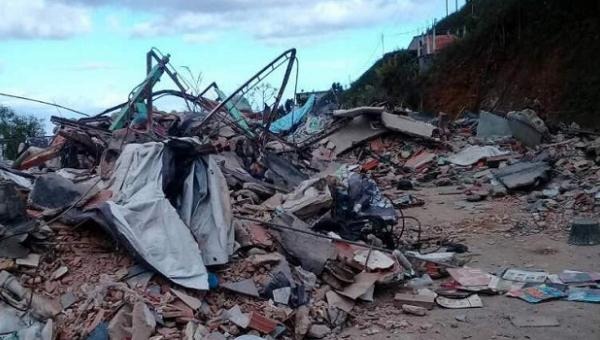
The killings cluster in a late-morning window; subsequent demolition and restricted mortuary access prevented independent ballistic mapping, trajectory recovery, and GSR/TOF studies — a post-incident pattern the IACHR later weighed heavily in concluding extrajudicial executions and denial of truth and justice to families.
The Victims and the Aggressor
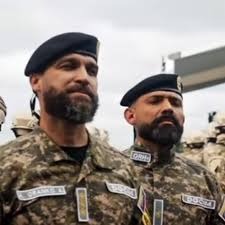
Named Commanders
The operation’s tactical edge was driven by FAES and DGCIM cadres, with cross-service enablers and irregular colectivo presence integrated on scene. Named chain actors include:
Lt. Col. Rafael Enrique Bastardo Mendoza (PNB/FAES) — identified as the on-scene FAES commander (“Alpha 6” in recorded comms), later internationally sanctioned; multiple sources and contemporaneous social posts attribute him a central command role at El Junquito.
Col. Alexander Enrique Granko Arteaga (DGCIM) — chief of DGCIM’s Dirección de Asuntos Especiales (DAE), cited by UN and IACHR materials for command roles in repressive operations and specifically linked to directing the El Junquito action.
The Fatal Victims
- Óscar Alberto Pérez — CICPC inspector and cell leader; declared intent to surrender on video during the siege.
- José Alejandro Díaz Pimentel — ex-CICPC, second-in-command and logistics coordinator inside the house.
- Abraham Israel Agostini — armed associate providing perimeter/support inside the safehouse.
- Jairo Lugo Ramos — ex-GNB non-commissioned associate integrated into the group’s armed element.
- Abraham Lugo Ramos — ex-GNB associate; brother to Jairo; armed support role.
- Daniel Enrique Soto Torres — civilian media/communications support to the group.
- Lisbeth Andreína Ramírez Mantilla — civilian, non-combatant presence linked to a group member.
Casualties and Weapons
Death certificate extracts and leaked body images converge on a dominant pattern of cranioencephalic gunshot trauma for most victims, with one cervical GSW. The clustering of fatal head shots amidst a scene also attacked by RPG fragmentation and armored direct fire is statistically and tactically inconsistent with stochastic firefight mortality and aligns with close-range finishing fire after surrender and loss of combatant status.
From the Rebels
- IMI Uzi 9×19mm submachine guns
- 9mm pistols from prior GNB facility seizures
- Hand grenades and tear-gas devices (CAVIM domestic and Spanish-manufactured)
- Limited 7.62×39 and 9mm ammunition stocks; no heavy weapons, anti-armor, or indirect fire systems
From the State
- 5.56×45 and 7.62×39 assault rifles (AR-15/M4 family and AK-103 variants)
- MP5 9mm submachine guns for close-quarters applications
- RPG-7 launchers firing OG-7V fragmentation rockets — captured in OSINT clips striking the residence
- BTR-80A armored personnel carrier with turreted cannon and coaxial machine gun
- Irregular colectivo auxiliary arms in perimeter roles
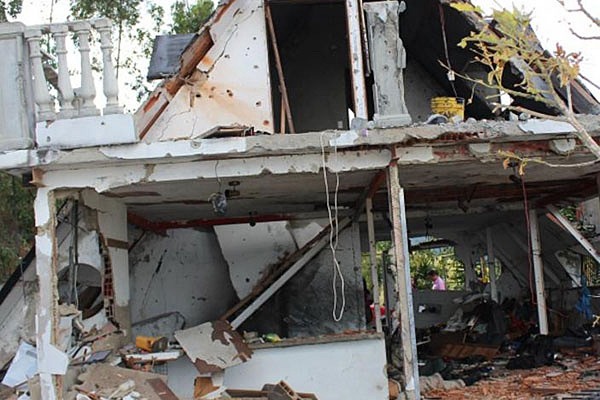
Post-incident demolition and constrained mortuary access foreclosed independent ballistic trajectories, residue transfer analysis, and robust TOF/scene reconstruction by neutral experts.
Conclusion
The aftermath of the El Junquito massacre reveals the complete breakdown of judicial accountability in Venezuela. No meaningful investigation has been conducted into the circumstances of the deaths, despite overwhelming evidence of extrajudicial execution. Family members have faced intimidation for demanding justice, and the Venezuelan state has prevented proper funeral arrangements for the victims. This systematic impunity extends to thousands of similar cases across the country, where security forces operate with complete immunity while targeting perceived government opponents.
The El Junquito case illuminates how Venezuela’s security apparatus has evolved into an instrument of political repression under authoritarian rule. The involvement of multiple agencies alongside paramilitary colectivos demonstrates the institutional coordination required for such operations. The systematic suppression of information, manipulation of evidence, and denial of due process reveals a state apparatus designed to eliminate political opposition through lethal force while maintaining plausible deniability. As Venezuela’s humanitarian and political crisis deepens, the El Junquito massacre stands as a stark reminder of how authoritarian governments can transform state security forces into instruments of terror against their own citizens.
Investigator’s Note
This report is based entirely on open-source intelligence (OSINT). No classified information was accessed. No confidential sources were used. Everything documented here is publicly available — if you know where to look.
The significance lies not in secret revelations, but in connecting the dots: showing how a nine-hour siege, with documented surrender attempts broadcast live on Instagram, ended in the execution-style deaths of all seven people inside the safehouse.
That pattern — denied surrenders, post-incident demolition, restricted mortuary access, and absolute impunity — is the same pattern that characterizes thousands of Venezuelan state killings.